
What is software consulting?
Software consulting helps companies find, plan and introduce the right software for their tasks. It combines two perspectives: how does your company work today, and which technical solution makes that work simpler, faster or more secure?
The result isn't a slide deck full of jargon but a basis for decisions: which processes should go digital, which solution fits, roughly what it costs and in which order to proceed. Many software consultancies also support the implementation afterwards.
When is software consulting worth it?
- Before a larger investment. If you're considering introducing new software or having it built, a wrong decision later costs many times more than the consulting.
- When tools have sprawled. Over the years, spreadsheets, isolated solutions and single tools have piled up that don't talk to each other. Data is maintained twice, and nobody has the full picture.
- When off-the-shelf software no longer fits. Your team builds workarounds because the system doesn't reflect how you actually work.
- When you grow. More employees, locations or customers push processes to their limits that worked well on a small scale.
- When you have a digital product idea. You want to offer your customers a platform or app and need a plan from idea to launch.
How does software consulting work?

- Understand: In conversations and workshops with the people who work with the processes every day, we capture what works well today and where things get stuck.
- Evaluate: Requirements are prioritized. What is essential, what would be nice, what can wait?
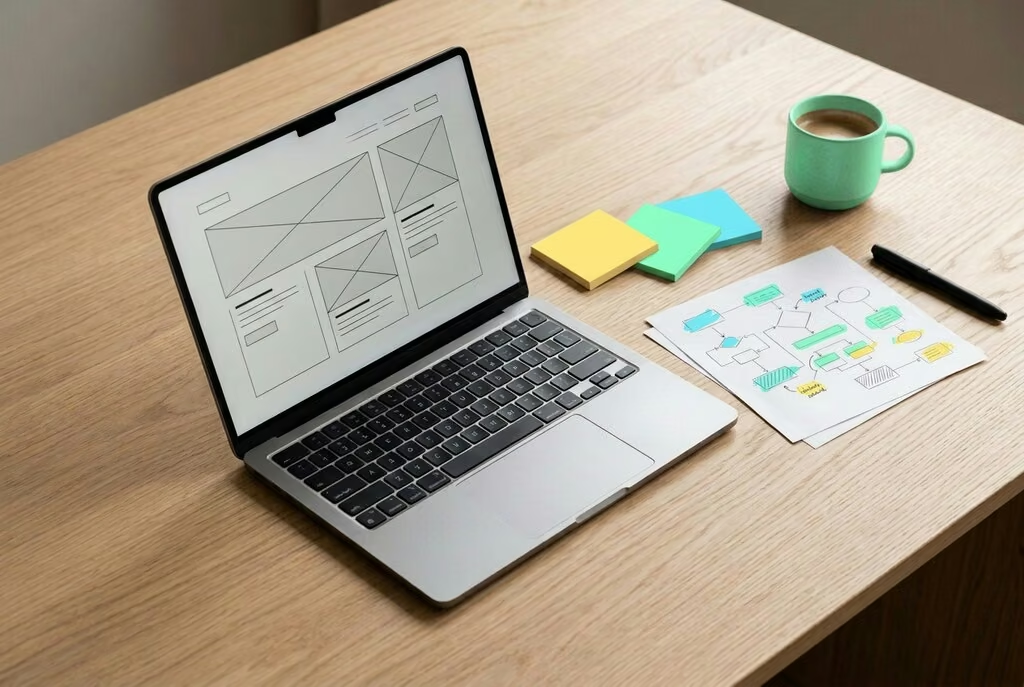
- Design the solution: Off-the-shelf software, custom development or a combination of both are compared. Often a clickable prototype is created so everyone can see what the solution will look like.
- Plan: The result is a roadmap with stages, an effort estimate and a recommendation on where to start.
It's important to involve future users early. Software that misses their daily reality won't be used, no matter how good it is technically.
What are typical results?
| Result | What it's for |
|---|---|
| Overview of processes and weak spots | Shared picture of where time and money are lost |
| Prioritized requirements | Clarity on what the solution must do and what comes later |
| Comparison of solution paths | Decision between buying, building or combining |
| Clickable prototype | Testing with real users before development starts |
| Roadmap and effort estimate | Basis for budget, timeline and internal approval |
How do you recognize good software consulting?
- It asks about your processes first, not about the development team's favorite framework.
- It's open to every solution path. Sometimes the best recommendation is existing off-the-shelf software, not a new build.
- It can show references, ideally from similar industries or with comparable tasks.
- It thinks in stages. A first usable result after a short time is worth more than a big plan that takes years.
- It speaks your language. You should understand and be able to follow every recommendation.
- It doesn't make you dependent. Documentation, a clean handover and common technologies ensure you can decide freely later on.
What does software consulting cost?
The effort depends on how many processes are examined, how many people are involved and whether a prototype is to be created. A short analysis of a single process is much smaller than planning a platform that connects several departments. Reputable providers will give you an estimate for your specific case after an initial conversation.
A typical consulting case
A service company with several teams plans assignments in an Excel file, records hours on paper and writes invoices in an accounting program. Management is thinking about new software but doesn't know whether it should be an off-the-shelf product or a custom solution.
Consulting first shows where time is really lost: not in the planning itself, but in transferring hours to invoices and in follow-up questions about who was where and when. That leads to a different recommendation than expected. The accounting software stays, a suitable standard product covers assignment planning, and only mobile time tracking with a handover to accounting is built custom. The budget goes where it makes the biggest difference.
Cases like this are typical: the first idea for a solution is rarely wrong, but often too big. Good consulting trims it down to what really changes everyday work.
Common mistakes in software projects
- Starting with the solution instead of the problem. "We need an app" is not a goal. "Our technicians should log hours directly on site" is.
- Only asking management. The people who work with the processes every day know the special cases that later sink projects.
- Packing everything into version 1. The bigger the first step, the later you get feedback from real use.
- Underestimating data migration. Moving old lists and records into the new solution often takes longer than expected.
- Forgetting operations and maintenance. Software needs updates, security patches and someone to answer questions.
Checklist: how to prepare for the first meeting
- Describe in a few sentences what isn't working well today and how you notice it.
- List the programs, spreadsheets and documents your team works with today.
- Name who knows the processes best and is available for interviews.
- Think about what should be different in a year.
- Roughly clarify which time frame and budget are realistic.
That's all you need to start. Everything else you work out together during the consulting.
In Germany, the federally funded Mittelstand-Digital centres also offer free, vendor-neutral first information on digitalisation projects. You can check whether funding is available for your project in the federal funding database (in German).
How we work at uberneu
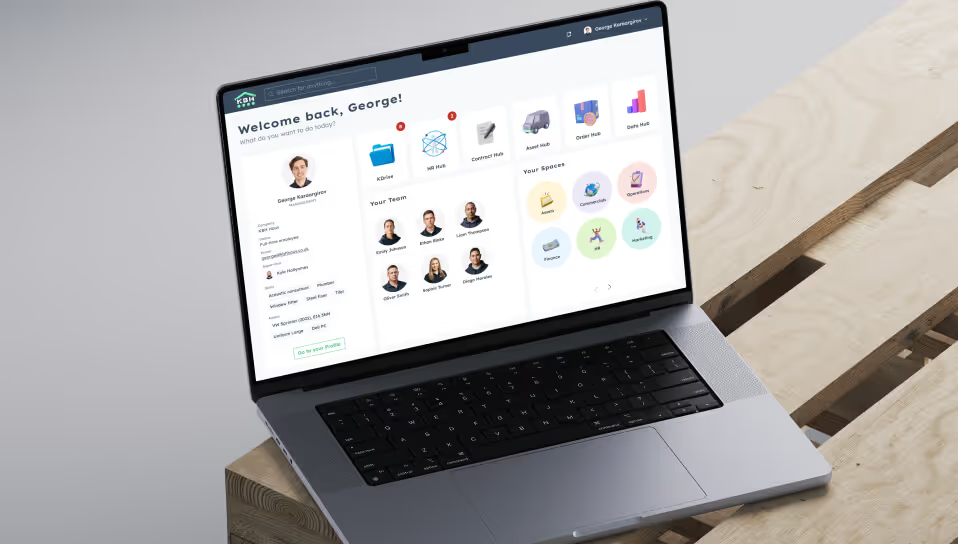
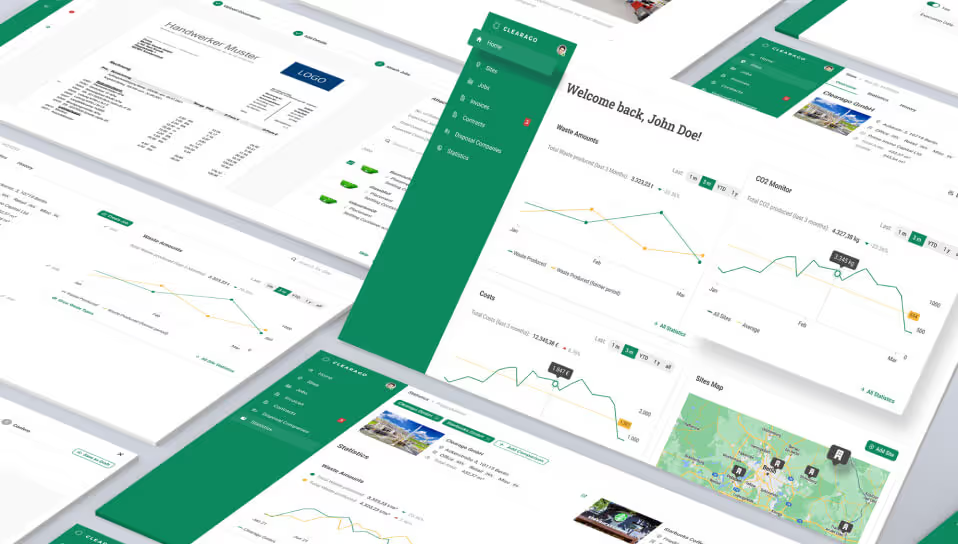
We give independent advice and focus on modern web software that runs in the browser and can grow step by step. For KBH Haus, for example, we turned many separate internal tools into one shared platform; for Clearago, we clarified the requirements in short workshops and designed a click prototype for a SaaS solution.